
What Is an Electrolyte Panel?
An electrolyte panel is a simple blood test. It checks the levels of key minerals in your blood. These minerals, called electrolytes, include sodium, potassium, chloride, and bicarbonate. Because these minerals help your body work well, doctors often order this test. The electrolyte panel test is common and safe. It gives important information about your health.
Why Is an Electrolyte Panel Important?
Electrolytes help control many body functions. For example, they keep your heart beating and your muscles working. They also balance fluids in your body. If your electrolyte levels are too high or too low, you may feel sick. Sometimes, serious problems can happen. Therefore, an electrolyte panel helps doctors find and treat these issues early.
Common Symptoms and Conditions That May Require an Electrolyte Panel
Doctors may order an electrolyte panel if you have certain symptoms. These symptoms can include:
Additionally, some health conditions may need regular testing. These include kidney disease, heart problems, and high blood pressure. If you take certain medicines, your doctor may also check your electrolyte levels often.
How the Test Is Performed
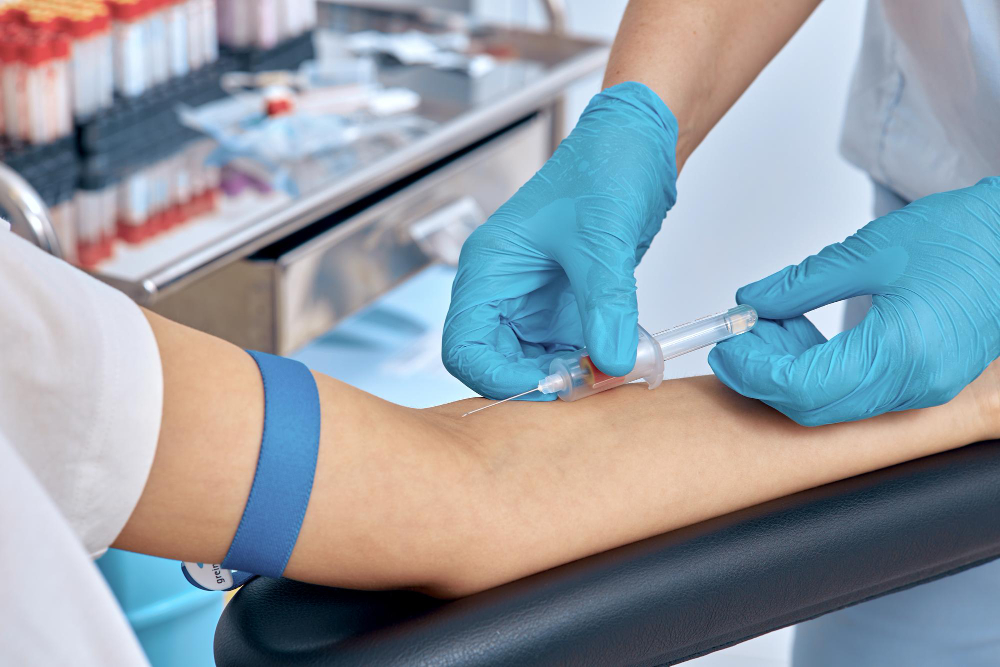
Getting an electrolyte panel is quick and easy. First, a healthcare worker will clean your arm. Next, they will use a small needle to take a blood sample. The process takes only a few minutes. Afterward, your blood goes to a lab for testing. You can usually return to normal activities right away. Most people feel little or no pain during the test.
Understanding the Results: Normal Ranges and What Abnormal Results Mean
Doctors look for normal electrolyte panel values. These ranges may vary slightly by lab, but common values are:
If your results are outside these ranges, it may mean an electrolyte imbalance. For example, low sodium can cause confusion or seizures. High potassium can affect your heart. However, mild changes may not cause symptoms. Your doctor will explain what your results mean for you.
Treatment and Next Steps if Results Are Abnormal
If your electrolyte panel shows abnormal results, your doctor will suggest next steps. Sometimes, you may need more tests. Other times, you may need to change your diet or take medicine. In serious cases, you may need treatment in a hospital. Because each person is different, your doctor will make a plan that fits your needs.
Tips for Preparing for the Test
Preparing for an electrolyte panel is simple. Usually, you do not need to fast. However, your doctor may give special instructions. For example, you may need to avoid certain medicines before the test. Always tell your doctor about any drugs or supplements you take. If you have questions about how to prepare for an electrolyte panel, ask your healthcare provider.
Prevention and Lifestyle Guidance for Maintaining Healthy Electrolyte Levels
There are easy ways to keep your electrolytes balanced. Try these tips:
Because some health problems can affect electrolytes, regular check-ups are important. The World Health Organization and CDC recommend healthy habits to support your body’s balance.
Conclusion
In summary, an electrolyte panel is a simple test that gives important health information. It helps find and treat problems early. If you have symptoms or health conditions that may affect your electrolytes, talk to your doctor. Consult a healthcare professional at Sri Prathyusha Diagnostics for personalized advice about electrolyte panels or your test results.