
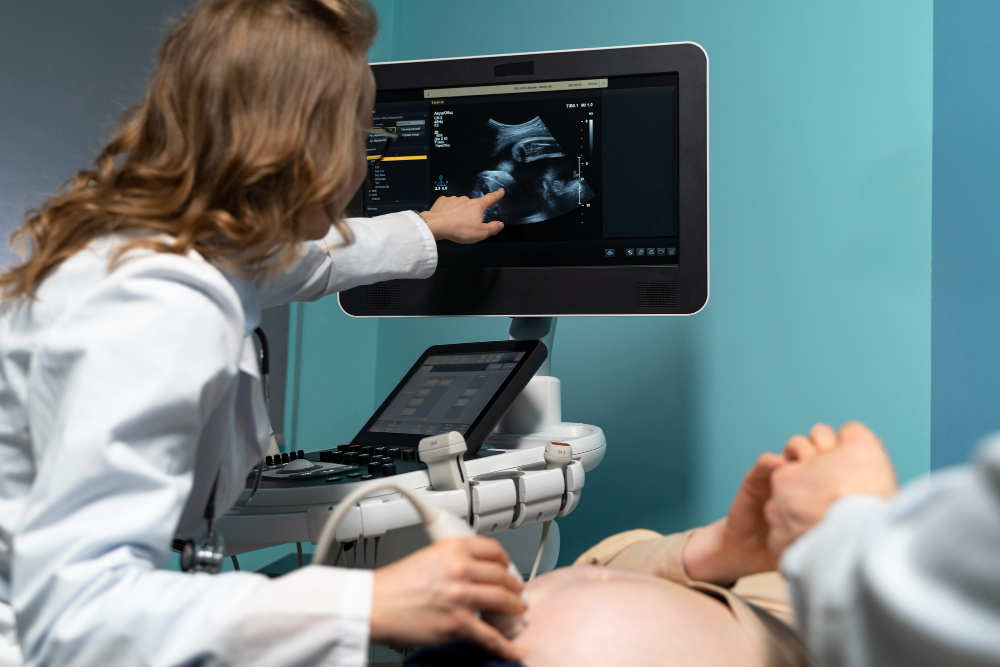
What is a Fetal Anomaly Scan?
A fetal anomaly scan is a special pregnancy scan. Doctors often call it the 20-week ultrasound. This scan checks your baby’s growth and development inside the womb. Usually, it happens between 18 and 22 weeks of pregnancy. During the scan, a trained sonographer uses sound waves to create images of your baby. Because it is safe and painless, many parents look forward to this important check.
Why is a Fetal Anomaly Scan Important?
First, the fetal anomaly scan helps spot any major problems with your baby’s organs. Early detection can make a big difference. For example, doctors can plan the right care if they find an issue. Also, the scan checks your baby’s growth and the amount of amniotic fluid. This information helps your doctor guide your pregnancy safely. According to the World Health Organization, early screening improves outcomes for both mother and baby.
When and How is the Scan Performed?
Most often, the fetal anomaly scan is done between 18 and 22 weeks. This timing is best because your baby’s organs are developed enough to see clearly. During the scan, you will lie on a bed. The sonographer will put a cool gel on your belly. Then, they move a small device called a transducer over your skin. The scan usually takes about 30 to 45 minutes. In some clinics, you may be able to get a fetal anomaly scan in your city or country for added convenience.
What Does the Scan Detect?
The fetal anomaly scan checks for many things, including:Brain and spine developmentHeart structure and functionFace, lips, and palateKidneys and bladderArms, legs, hands, and feetAbdominal wall and stomachPlacenta position and amniotic fluid level
In addition, the scan can sometimes show the baby’s sex, if you wish to know. However, the main goal is to check for any problems that may need attention.
How to Prepare for a Fetal Anomaly Scan
Preparing for the scan is simple. Usually, you do not need to fast or change your diet. However, some clinics may ask you to drink water before the scan. A full bladder can help get clearer images. Wear comfortable clothes, as you may need to expose your belly. Bring your pregnancy records and any questions you have. This way, you can make the most of your visit.
What to Expect During and After the Scan
During the scan, you may feel a little pressure as the transducer moves over your belly. But, the scan does not hurt. The room is usually dim so the images are easy to see. Sometimes, you can watch the screen as the sonographer checks your baby. After the scan, you can wipe off the gel and get dressed. The doctor will review the results and discuss them with you. If the scan finds anything unusual, your doctor will explain the next steps.
Frequently Asked Questions (FAQs)
Is the fetal anomaly scan safe? Yes, it uses sound waves, not radiation. It is safe for both mother and baby.Can I bring someone with me? Often, yes. However, check with your clinic for their policy.Will I get pictures of my baby? In many clinics, you can get printed or digital images to take home.What if the scan finds a problem? Your doctor will guide you. Sometimes, more tests or scans are needed.Is the scan always accurate? The scan is very helpful, but not all problems can be seen. Some issues may develop later.
Prevention and Next Steps
While the fetal anomaly scan cannot prevent problems, it helps find them early. This allows your healthcare team to plan the best care. After the scan, follow your doctor’s advice and keep all prenatal appointments. If you have questions or concerns, do not hesitate to ask your healthcare provider. Early and regular prenatal screening is key for a healthy pregnancy.
For personalized advice about fetal anomaly scans, consult Sri Prathyusha Diagnostics.