
What Is a Pelvic Ultrasound Scan?
A pelvic ultrasound scan is a safe and painless test. It uses sound waves to create pictures of the organs in your lower belly. Doctors often use this scan to check the uterus, ovaries, bladder, and prostate. Because it does not use radiation, it is safe for most people. Many clinics and hospitals offer this test, making it easy to access.
Common Reasons for a Pelvic Ultrasound Scan
Doctors may suggest a pelvic ultrasound scan for several reasons. For example, you might need one if you have:Pain or swelling in your lower bellyUnusual bleeding or periodsProblems with urinationPossible pregnancy or pregnancy concernsSuspected cysts, fibroids, or tumorsInfertility or trouble getting pregnant
Sometimes, doctors use this scan to guide other procedures, such as biopsies. In many cases, a pelvic ultrasound scan helps find the cause of symptoms quickly.
How to Prepare for a Pelvic Ultrasound Scan
Proper pelvic ultrasound preparation helps get clear images. Your doctor will give you instructions, but here are common steps:Drink water before the test if told to do so. A full bladder helps show organs better.Do not empty your bladder until after the scan, unless your doctor says otherwise.Wear loose, comfortable clothing for easy access to your lower belly.Bring a list of your medicines and any past medical tests.
Sometimes, you may need to change into a gown at the clinic. If you have questions about pelvic ultrasound preparation, ask your healthcare provider.
What Happens During the Procedure?
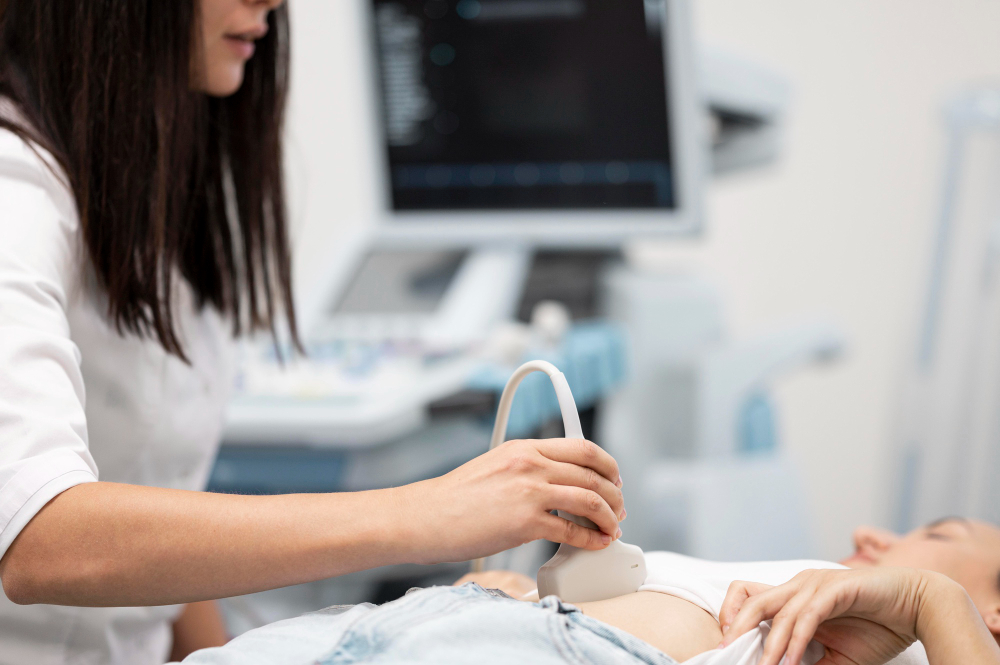
Knowing what to expect from a pelvic ultrasound can help you feel at ease. First, you will lie down on an exam table. Next, a technician or doctor will put a special gel on your lower belly. This gel helps the sound waves travel better. Then, they will move a small device, called a transducer, over your skin. You may feel slight pressure, but it should not hurt.
In some cases, a transvaginal or transrectal scan is needed. For these, a thin, covered probe goes gently inside the vagina or rectum. This gives clearer images of certain organs. The whole pelvic ultrasound scan procedure usually takes 20 to 30 minutes. Afterward, you can return to normal activities right away.
Benefits and Potential Risks
There are many benefits to a pelvic ultrasound scan:It is safe and does not use radiation.The test is painless and quick.It helps doctors find problems early.It can guide other medical procedures.
However, like any test, there are some risks. For example, you may feel mild discomfort during the scan. Rarely, a transvaginal or transrectal scan may cause slight irritation. Still, serious problems are very uncommon. According to the World Health Organization, ultrasound is safe for most people.
How to Interpret Results and Next Steps
After your pelvic ultrasound scan, a doctor will review the images. Sometimes, you may get results the same day. Other times, you may need to wait a few days. Your doctor will explain what the pictures show. If the scan finds something unusual, you may need more tests or treatment. On the other hand, normal results mean your organs look healthy. Always ask your doctor if you have questions about your results.
Frequently Asked Questions
Is a pelvic ultrasound scan safe? Yes, it is very safe and does not use harmful radiation.Will the scan hurt? Most people feel no pain. You may feel mild pressure or discomfort, but it is brief.How long does the scan take? The procedure usually takes 20 to 30 minutes.Can I eat before the scan? In most cases, you can eat as usual. However, follow your doctor’s instructions.When will I get my results? Sometimes, you get results right away. Other times, it may take a few days.
Conclusion
A pelvic ultrasound scan is a safe, simple, and helpful test. It can find many health problems early. If your doctor recommends this scan, you now know what to expect and how to prepare. For personalized advice about pelvic ultrasound scans, consult a healthcare provider at Sri Prathyusha Diagnostics.